Finding the Perfect Cake Maker in 2026
You want a cake that looks right, tastes balanced, and arrives on time. In 2026, you can choose from local artisan bakers, online custom cake studios, and specialty pastry chefs who focus on modern designs and consistent results.
To find the perfect cake maker in 2026, you need someone who combines proven skill, clear communication, reliable timing, and a style that matches your vision and budget.
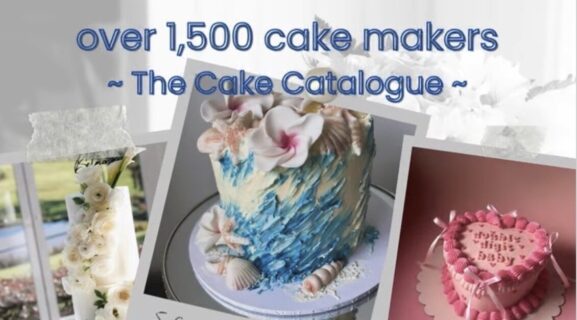
You can narrow your options by reviewing real portfolios, checking consistent finishes, and confirming flavor options that suit your event. Many cake makers now showcase trend-forward designs, from clean minimalist tiers to detailed sculpted cakes, but technique and reliability matter more than novelty.
You also need clear pricing, realistic lead times, and firm delivery details before you commit. When you ask direct questions and compare answers carefully, you avoid surprises and secure a cake that fits your event without unnecessary stress.
Key Takeaways
- Focus on skill, consistency, and clear communication when choosing a cake maker.
- Review past work and confirm flavors, pricing, and timelines before booking.
- Align design preferences and logistics early to avoid last-minute issues.
Key Qualities to Look For
You need a cake maker who combines design skill, strict ingredient standards, and a proven record of client satisfaction. These qualities directly affect how your cake looks, tastes, and holds up on the day of your event.
Creative Design Capabilities
You should expect more than basic decoration skills. A strong cake maker translates your theme, color palette, and venue style into a clear cake design plan.
Review their portfolio carefully. Look for:
- Consistent finishing on tiers and edges
- Clean piping and precise fondant work
- Balanced proportions in multi-tier cakes
- Variety in styles, from minimal to detailed
Ask how they handle custom requests. A skilled professional will sketch designs, offer digital mock-ups, or explain how structure and support systems keep tall cakes stable during transport and setup.
You also want someone who understands flavor design, not just appearance. Many cake makers offer tastings where you compare sponge types, fillings, and frostings. Pay attention to whether flavors complement each other rather than compete.
A cake maker who manages design, baking, delivery, and on-site setup shows full control over the final result.
Ingredient Quality Standards
You taste ingredient quality immediately. A reliable cake maker should clearly explain where key ingredients come from and why they use them.
Ask specific questions about:
- Type of butter (real butter vs. substitutes)
- Use of fresh eggs instead of powdered mixes
- Quality of chocolate (compound vs. couverture)
- Seasonal fruit availability
You should also confirm how they handle dietary needs. If you require gluten-free, nut-free, or vegan options, ask about cross-contamination procedures and separate preparation areas.
Storage and freshness matter. Professional cake makers bake close to the event date and store cakes in controlled conditions to maintain texture and food safety.
Clear answers about sourcing and handling show that they operate with consistent standards rather than shortcuts.
Customer Reviews and Testimonials
You can learn a great deal from past clients. Focus on detailed reviews that describe communication, punctuality, flavor quality, and how the cake looked in person.
Look for patterns instead of one-off comments. Consistent praise for reliability and taste carries more weight than generic five-star ratings.
Give extra attention to feedback about:
- Delivery timing
- Accuracy of the final design compared to the original plan
- Professionalism during setup at the venue
- Responsiveness to last-minute adjustments
Recent testimonials matter more than older ones because they reflect current standards and workload.
If possible, check independent platforms instead of relying only on testimonials displayed on the cake maker’s own website. This helps you verify that the feedback reflects real client experiences.
How to Evaluate Cake Maker Portfolios
A strong portfolio shows you what a cake maker actually delivers, not just what they promise. Focus on design style, real customization examples, and consistent execution across multiple orders.
Assessing Cake Design Styles
Start by identifying the cake maker’s dominant style. Look for patterns in color palettes, decoration techniques, and structure.
Do you see mostly minimalist buttercream cakes, detailed fondant sculptures, or textured floral designs? If you want a modern white wedding cake with subtle piping, a portfolio filled with cartoon-themed birthday cakes may not align with your needs.
Pay attention to technical elements:
- Clean edges on tiered cakes
- Smooth fondant without cracks or bulges
- Even piping and balanced proportions
- Stable multi-tier structures
Check whether the cake maker works across event types such as weddings, birthdays, and corporate events. A diverse but cohesive body of work often signals versatility without sacrificing identity.
You should also review how the cakes are presented. Clear, well-lit images with consistent angles suggest professionalism and attention to detail.
Reviewing Customization Examples
A reliable cake maker demonstrates how they adapt designs to client requests. Look for examples labeled as custom orders, themed events, or culturally specific celebrations.
For example, you might see:
- Quinceañera cakes with traditional color schemes
- Corporate cakes featuring precise logo work
- Wedding cakes tailored to a couple’s venue aesthetic
Examine how well they integrate personal elements. Custom toppers, hand-painted details, and unique flavor combinations show flexibility.
You should also compare similar cake types. If you view five wedding cakes in the portfolio, do they look nearly identical, or does each reflect a different client vision?
Customization goes beyond decoration. Some portfolios mention flavor pairings, dietary adjustments, or tier size variations. That information shows how the cake maker handles practical client needs alongside visual design.
Spotting Consistency in Execution
Consistency separates hobby-level work from professional results. Review multiple cakes from different dates and events.
Ask yourself:
- Are tier heights even across projects?
- Do colors appear accurate and uniform?
- Is piping steady and symmetrical?
- Do fondant figures maintain similar quality from cake to cake?
If one cake looks polished and the next appears uneven or poorly structured, you may face unpredictable results.
You should also check scale. A cake maker who shows only close-up shots may hide structural flaws. Look for full-cake images that reveal alignment, stacking, and finishing.
Consistent quality across birthdays, weddings, and large-scale events indicates reliable skill. When you see steady technique in every example, you gain clearer expectations for your own order.
Comparing Modern Cake Trends in 2026
Cake trends in 2026 focus on bold flavor pairings, detailed decorative work, and thoughtful ingredient choices. When you compare cake makers, you should look closely at how they handle flavor balance, finishing techniques, and dietary preferences.
Popular Flavors and Fillings
You will see a clear shift from simple vanilla and chocolate toward layered, contrast-driven flavor profiles. Bakers combine sweet bases with sharp or nutty elements to create depth without increasing sweetness.
Popular combinations include:
- Pistachio with raspberry or rose
- Chocolate with tahini or salted caramel
- Lemon with blueberry or elderflower
- Matcha with white chocolate
- Espresso with hazelnut praline
Texture also plays a central role. Many cake makers add crunch layers, brûléed tops, or soft fruit inserts to prevent flat flavor profiles.
Mini formats are gaining traction as well. Some patisseries now offer “one-bite” layered cakes styled like full-sized celebration cakes, which work well for dessert tables or large events.
When choosing a cake maker, ask how they test and balance flavors. You want someone who avoids overly sweet fillings and builds contrast through acidity, salt, or texture rather than sugar alone.
Decorating Techniques of the Year
In 2026, decoration leans into craftsmanship and structure. You will notice a return to Lambeth-style piping, detailed overpiping, and ornate borders, especially for weddings and milestone events.
At the same time, modern minimalism remains relevant. Many clients request:
- Smooth buttercream finishes with sharp edges
- Monochrome palettes
- Sculptural or asymmetrical tiers
- Edible lace details
- Mirror glaze accents
Some cake designers create cone-shaped or architectural cakes that act as centerpieces rather than simple desserts. Burn-away cakes, where a top layer reveals a hidden design, also remain popular for birthdays and announcements.
When comparing cake makers, review close-up photos of piping, edges, and fondant seams. Clean lines and consistent detailing show technical control.
Sustainability and Health-Conscious Options
You will find more cake makers emphasizing ingredient sourcing and dietary flexibility. Clients increasingly request cakes that align with ethical and health preferences without sacrificing structure or flavor.
Common requests include:
- Plant-based cakes with stable vegan buttercream
- Gluten-free sponge with proper crumb texture
- Reduced-sugar fillings balanced with fruit purées
- Locally sourced dairy, eggs, and seasonal fruit
Some bakers reduce food waste by offering tasting boxes made from cake offcuts or by designing tiered cakes with edible separators instead of heavy plastic supports.
Ask how your cake maker handles substitutions. Skilled professionals adjust structure and moisture levels carefully, rather than swapping ingredients without reformulating the recipe.
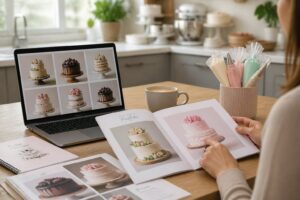
Personalizing Your Cake Order
Personal details turn a standard cake into a precise fit for your event. Focus on dietary needs and visual design early so your cake maker can plan ingredients, structure, and decoration without last‑minute changes.
Dietary Restrictions and Allergen-Free Choices
Start by listing any allergies, intolerances, or dietary preferences for you and your guests. Common requests include gluten-free, nut-free, dairy-free, egg-free, and vegan options.
Ask the cake maker direct questions about cross-contact. A bakery that handles wheat or nuts daily may not guarantee a fully allergen-free product, even if it offers gluten-free or nut-free recipes.
Clarify ingredient substitutions and how they affect texture and flavor. For example:
- Gluten-free flour blends can produce a slightly denser crumb.
- Vegan recipes often rely on oil or plant-based milk for moisture.
- Sugar-free options may use alternative sweeteners that change sweetness levels.
Request a tasting if possible, especially for specialty diets. Some bakeries, from local shops to supermarket chains like Kroger or Walmart, offer custom orders but vary in how extensively they handle dietary modifications.
Provide final guest counts and restrictions in writing. Clear communication reduces risk and ensures the finished cake meets both safety and taste expectations.
Theme and Color Coordination
Align your cake design with the event’s theme, venue, and color palette. Share specific references such as fabric swatches, invitation designs, or digital inspiration boards.
Be precise about colors. Instead of saying “blue,” specify navy, dusty blue, or royal blue, and confirm whether you prefer matte buttercream, fondant, or textured finishes.
Discuss structural elements early:
- Tiered or single-tier
- Edible prints or photo toppers
- Fresh flowers or sugar flowers
- Metallic accents or hand-painted details
If you plan a photo cake or edible image, send a high-resolution file. Confirm cropping, orientation, and size so the design fits the cake dimensions.
Balance design with practicality. Intricate toppers and heavy decorations require internal supports, which affect cost and serving size. When you give clear direction and accurate details, your cake maker can create a design that looks cohesive and serves cleanly.
Budgeting and Pricing Considerations
You need a clear view of how cake makers calculate their prices and what can increase your final bill. Accurate budgeting helps you compare quotes fairly and avoid unexpected costs.
Understanding Pricing Structures
Most professional cake makers build prices from four core elements: ingredients, labor, overhead, and profit margin. Ingredients include cake layers, fillings, frosting, and decorations. Labor often covers baking, design consultation, assembly, and detailed decorating time.
Custom work increases cost. A simple buttercream finish costs far less than hand‑crafted sugar flowers, intricate piping, or sculpted novelty designs because they require more hours and skill.
Many cake makers price by:
- Portion size (cost per slice × guest count)
- Tier size and complexity
- Design level (basic, semi-custom, fully custom)
Wedding cakes often cost more per slice than standard birthday cakes due to design detail and setup requirements. When reviewing quotes, confirm what the price includes—number of servings, flavor options, delivery, and setup—so you compare like with like.
Hidden Costs to Factor In
Base pricing rarely tells the full story. You should check for additional charges that affect your total spend.
Common extra costs include:
- Delivery and on-site setup fees
- Cake stand or equipment hire deposits
- Last-minute design changes
- Premium flavors or specialty dietary options
- Extended consultation time
Some cake makers also allocate a portion of business overhead—such as kitchen rental, utilities, insurance, and packaging—into each cake’s final price. This cost may not appear as a separate line item, but it influences the quote.
If you request venue delivery at a specific time window or need complex venue access coordination, expect higher logistics fees. Always ask for a written breakdown so you understand exactly what you are paying for and can adjust design choices to stay within budget.
Best Ways to Communicate With Cake Makers
Clear communication saves time, prevents costly changes, and helps your cake maker deliver exactly what you expect. You need structured consultations and precise visual references to align on design, flavor, budget, and logistics.
Scheduling Consultations
Book your consultation at least 3–6 months before the event for weddings and large celebrations. Popular cake makers fill peak dates quickly, especially in spring and early fall.
Choose the right format for your needs:
- In-person meeting: Best for tastings and reviewing design sketches.
- Video call: Useful if you live far away or need a quick follow-up.
- Email consultation: Works for simple orders with clear specifications.
Prepare specific details before the meeting. Bring your event date, venue address, guest count, budget range, and any dietary requirements. If the cake is for a wedding, confirm whether the venue has delivery time restrictions or setup rules.
Ask direct questions about pricing structure, portion sizes, flavor combinations, and don’t forget to discuss payment schedules.